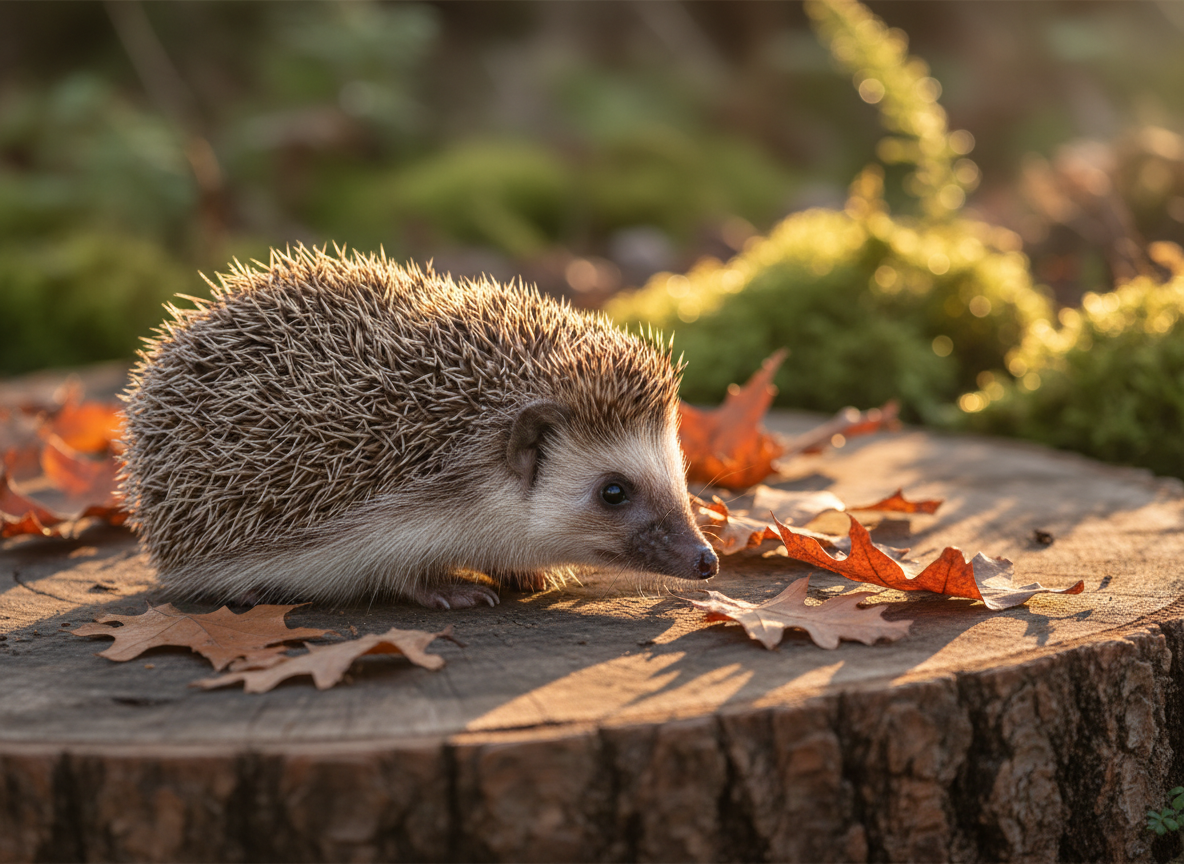
African Pygmy Hedgehog
A unique, spiny small mammal from central Africa. Can grow quite affectionate with regular interaction — but not recommended for children or those with limited time.
Difficulty
Lifespan
4–6 years
Diet
Insectivore/Omnivore
Space
Minimum 30"x18" cage or 40-gallon tank. 48"x24" cage or 75-gallon tank for more space.
Overview
African Pygmy Hedgehogs (Atelerix albiventris), also known as Four-toed Hedgehogs, are a unique small mammalian pet native to central Africa. Fully grown they range between 6 and 12 inches in length and typically live between 4 and 6 years in captivity. This solitary species can grow to be quite affectionate with frequent interaction and handling but can become standoffish if neglected. Hedgehogs are recommended only for those with ample time to interact and care for them, and are not recommended for small children.
Personality & Qualities
Hedgehogs can be difficult to handle at first but bond strongly to caretakers who interact with them frequently and consistently. Neglecting handling results in very difficult-to-work-with animals. They have poor eyesight but a keen sense of smell — be cautious when handling if food scents are present, as they may bite. Hedgehogs are also known to anoint their quills with saliva after smelling or tasting something particularly interesting.
Daily Care
Offer fresh water daily. Offer fresh food daily. Clean the running wheel daily. Spot-check the enclosure. Handle your hedgehog regularly to maintain tameness and bonding.
Diet
Hedgehogs are insectivores by nature and primarily eat a dry kibble diet supplemented with live or dried insect feeders. • Primary Diet — Appropriate hedgehog kibble such as Spike's Complete, Exotic Nutrition, or Zoopro. • Secondary Diets & Alternate Proteins — Insectivore-Fare by Exotic Nutrition is an excellent supplement. Other good proteins: cooked poultry, hard-boiled eggs, live insect feeders, dried insect feeders. • Fruits & Vegetables — Beans, peas, corn, carrots, apples, and blueberries. • Picky Eaters — Chicken or turkey flavored baby food can encourage eating; mix with kibble or other diets. • Water Note — When taking home baby hedgehogs, mix flavorless clear Pedialyte with water in a 50/50 ratio for the first week to help avoid stress-related diarrhea.
Housing Requirements
Hedgehogs require a medium to large enclosure despite their small size. Minimum: 30"x18" cage or 40-gallon tank. Ideal: 48"x24" cage or 75-gallon tank. Enclosure must include: • Running wheel • A hide • Food and water dishes • Toys for enrichment • Paper-based bedding or a fleece liner
Temperature & Humidity
Hedgehogs are nocturnal and do not fare well in the cold. Keep between 75°F and 85°F at all times. Below this range the hedgehog may become inactive and get sick. Above this range they will burrow to escape heat. Best heating methods: black light heating bulb or ceramic heat emitter. No special humidity requirements.
Common Mistakes
Neglecting daily wheel cleaning (leads to hygiene and health issues). Using heavily scented or chemical cleaners (will make the animal sick). Not handling frequently enough (results in an unfriendly, difficult hedgehog). Bathing too frequently or not at all. Forgetting to wash hands before and after handling (hedgehog feces may contain salmonella). Not maintaining temperatures between 75–85°F.
Vet Care Recommendations
NJ Exotic Pets recommends Paws, Wings & Scales — Christopher F. Stancel, DVM. 125 Paterson Ave, Suite 1, Little Falls, NJ 07424. Phone: (973) 638-1180. Email: pwsanimalhospital@gmail.com. Annual check-ups are highly recommended. Cleaning: Wheel must be cleaned daily. Enclosure cleaned at least once weekly. Use only unscented or mildly scented cleaners — heavily scented or chemical cleaners will make the animal sick. Clean hedgehog items separately from dishes. Wash hands before and after handling. Bathing: Required at least once a month and no more than twice a month. Use a soft bristle toothbrush to clean between quills. Use baby shampoo or Dawn dish soap. Mites: All hedgehogs at NJ Exotic Pets are treated with Revolution (flea, tick & mite preventative) before going home. Keep enclosure accessories clean to avoid reinfestation.
Things to Know Before Buying
Hedgehogs are nocturnal — most activity will happen at night. They require consistent, frequent handling to remain tame. They are not recommended for small children. They need a reliable heat source to stay in the 75–85°F range at all times. Commitment to daily care, cleaning, and regular interaction is essential for a happy, friendly hedgehog.
Legal & Responsibility Disclaimer
Owners assume full responsibility for the animal's welfare, proper housing, diet, and enrichment. NJ Exotic Pets is not liable for health issues arising from improper care. Verify local legality before purchasing — hedgehogs may be restricted in certain municipalities.
Get This Guide in Your Inbox
Enter your email and we'll send you the complete African Pygmy Hedgehog care guide.
Ready to take the next step?
Confirm that you've reviewed the care requirements before proceeding.
Bio-Educational Guidance Only — Consult an Avian/Exotic Veterinarian for Medical Intervention.