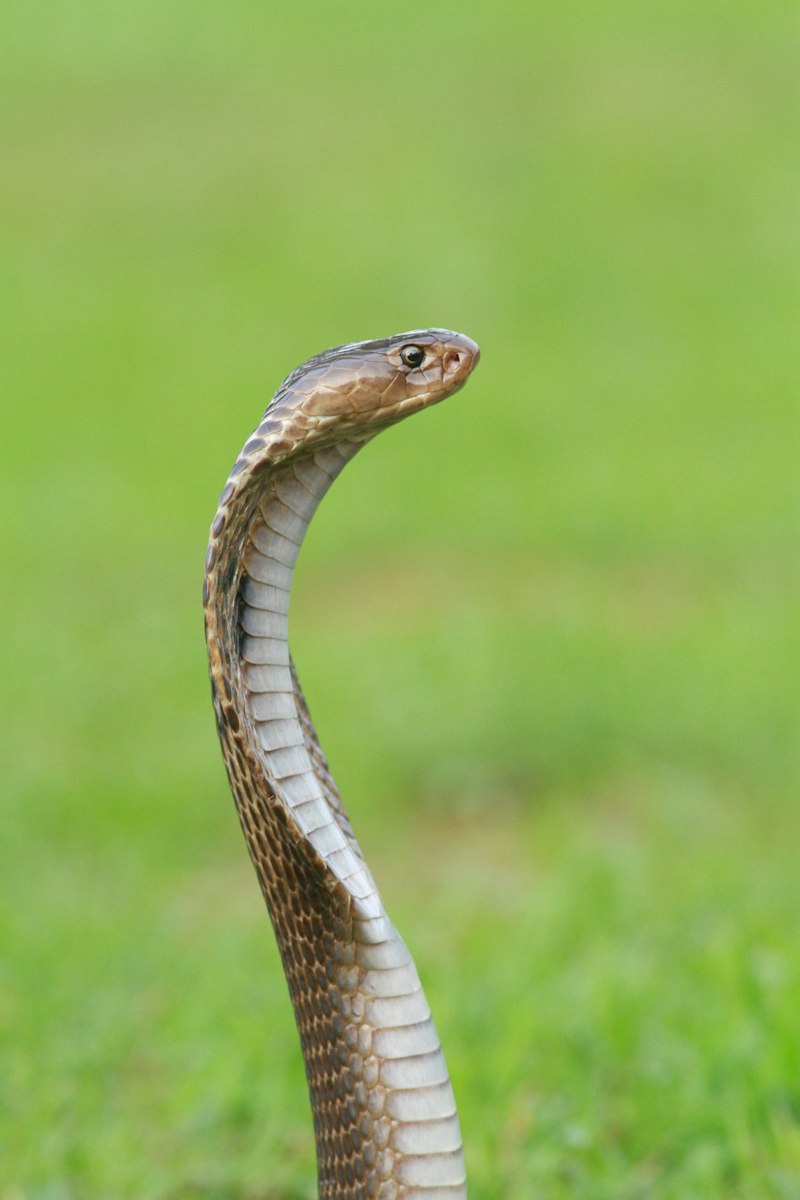
Corn Snake
A slender, colorful, and incredibly docile snake native to the southeastern US. Second only to the Ball Python in popularity as a pet snake.
Difficulty
Lifespan
20+ years
Diet
Carnivore
Space
Hatchlings: 10-gallon. Juveniles: 20-gallon long. Adults: 40-gallon breeder or larger.
Overview
Corn snakes (Pantherophis guttatus) are slender, small to medium sized snakes native to the south-eastern and central United States. Fully grown, they range between 3.5ft and 5.5ft in total length, with some individuals reaching 6ft, although this is uncommon. In captivity this species typically lives to be 20 years old or more. They are considered incredibly docile and their bright colors make them a favorite amongst reptile keepers — second only to the Ball Python in popularity as a pet snake.
Personality & Qualities
Corn snakes are incredibly easy to handle and with regular handling become quite accustomed to it. Smaller individuals are faster and more fragile than larger ones, so take care when handling young corn snakes. Their bright color morphs and active, curious nature make them a joy to observe and interact with.
Daily Care
Rinse and refill the water dish at least once daily. Monitor temperature and humidity. Spot-clean the enclosure as needed. Feed on schedule (see diet section). Do not handle within 24 hours of feeding.
Diet
Corn snakes eat a diet of primarily rodents — live, pre-killed, or thawed frozen. The feeder should be no thicker/wider than the thickest part of the snake. Feeding chart: • Hatchling (0–6 months): 1 Pinky Mouse every 5 days • Juvenile (6–12 months): 1 Fuzzy or Hopper Mouse once a week • Sub-Adult (12–24 months): 1 Hopper or Adult Mouse once a week • Adult (2 years+): 1 Adult or Jumbo Mouse once a week Most corn snakes subsist entirely on mice, though they occasionally accept alternative feeders. Feed in a separate box or enclosure from where they live — this helps the snake focus on food and prevents accidental substrate ingestion. DO NOT HANDLE A SNAKE WITHIN 24 HOURS OF FEEDING!
Housing Requirements
Provide at least 2 hide boxes — one on the hot side, one on the cool side. A humidity hide filled with damp moss can be offered during shedding to help the snake shed more easily. Include a water dish large enough for the snake to soak in, plus branches, logs, fake plants, and other objects for enrichment and exploration. Recommended substrates: Aspen Shavings, Cypress Mulch, Mixed mulch and soil substrates, Repti-Carpet, Paper Towels, or Newspaper. IMPORTANT: Corn snakes are escape artists — enclosures must have secure locking doors and/or lids.
Temperature & Humidity
Hot side: 85–90°F. Cool side: 70–75°F. Never drop below 65°F. Humidity: 40–50%. Use heat mats and under-tank heaters controlled by thermostats. No special lighting required, though a low-watt full spectrum UVA/UVB light can be beneficial if used no more than 12 hours/day.
Common Mistakes
Allowing the enclosure to drop below 65°F. Inadequate hide boxes. Handling within 24 hours of feeding. Using an enclosure without a secure locking lid (corn snakes escape easily). Feeding prey items that are too large. Not providing a soak-sized water dish.
Vet Care Recommendations
NJ Exotic Pets recommends Paws, Wings & Scales — Christopher F. Stancel, DVM. 125 Paterson Ave, Suite 1, Little Falls, NJ 07424. Phone: (973) 638-1180. Email: pwsanimalhospital@gmail.com. Annual check-ups are highly recommended.
Things to Know Before Buying
Corn snakes can live 20+ years — a long-term commitment. IMPORTANT LEGAL NOTE: It is ILLEGAL in the state of New Jersey to own corn snakes with black eyes. All corn snakes sold and owned in NJ must be some morph of albino or leucistic. Ensure your enclosure has a secure locking lid as this species is known to escape. Budget for thermostat-controlled heating and annual vet visits.
Legal & Responsibility Disclaimer
It is ILLEGAL in the state of New Jersey to own corn snakes with black eyes. All corn snakes sold and owned in NJ must be some morph of albino or leucistic. Owners assume full responsibility for the animal's welfare, proper containment, and compliance with local laws.
Get This Guide in Your Inbox
Enter your email and we'll send you the complete Corn Snake care guide.
Ready to take the next step?
Confirm that you've reviewed the care requirements before proceeding.
Bio-Educational Guidance Only — Consult an Avian/Exotic Veterinarian for Medical Intervention.