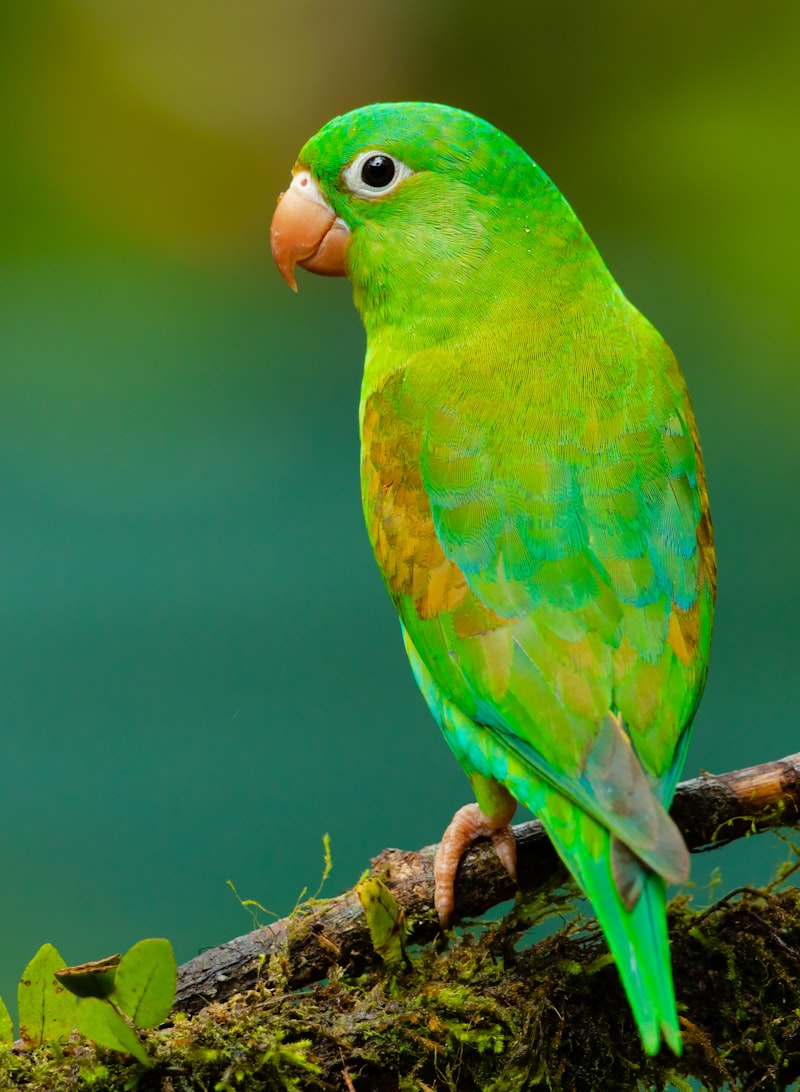
Parakeets
Active, colorful, and social small parrots that make ideal first birds. Great for beginners with proper care and handling.
Difficulty
Lifespan
7–15 years (species dependent)
Diet
Omnivore (seeds, pellets, greens, fruits, vegetables)
Space
Cage minimum 3x the bird's length; e.g. 18"x18"x18" for a 6" bird
Overview
Parakeet is a term used to describe many species of small to medium sized parrots from all over the world! Although the care requirements for some individual parakeets may be specific to their species, most parakeets require very similar care. Depending on the species, fully grown parakeets range between 4 and 24 inches in length and weigh between 10 and 300 grams. Despite this massive range the average parakeet is between 7 and 10 inches in length and weighs between 40 and 65 grams. Parakeets vary greatly in color, size, disposition, and intelligence but many species make wonderful pets. If you're a beginner in the bird world and are considering getting your first feathered pet then a parakeet just might be the best bird for you!
Personality & Qualities
Parakeets can become accustomed to being handled and many grow to enjoy it over time. At first most parakeets will be skittish and may even bite — it is best to start with light petting and hand feeding inside the enclosure. Once comfortable with being pet, coax the parakeet onto a hand. When a parakeet fully trusts a handler they are happy to sit on a hand or finger and be pet. Many species can learn to talk, though ability varies greatly between species. In many cases only males of a particular species can talk.
Daily Care
Rinse and refill water dish/bottle daily. Offer fresh greens daily. Provide vegetables and fruit a few times per week. Monitor temperature and humidity. Check toys and perches for wear. Interact with and handle your bird regularly to maintain tameness.
Diet
Parakeets should be offered fresh water at all times. Water dish/bottle must be rinsed and refilled daily. Diet should be roughly 75% seed and pellets, and 25% fresh greens, fruits, and vegetables: • Seed Mixes — A proper mix should be ~50% millet and contain groats, wheat, and sunflower. Recommended: ABBA 1600 Parakeet or Kaytee Diets. Offer mixed with pellets in a 50/50 mix. • Pelleted Diets — Important sources of protein, vitamins, and minerals. Recommended: Harrison's Bird Food, Pretty Bird, or Zupreme. Mix with seeds 50/50. • Greens (daily) — Spinach, dandelion greens, parsley, cabbage, collard greens, etc. • Vegetables (a few times/week) — Green beans, carrots, broccoli, sweet corn, sweet potatoes, bell peppers, etc. • Fruit (a few times/week) — Apples, bananas, berries, pumpkin, grapes, mangoes, melons, etc. Supplements: Multi-vitamins and minerals are required. Recommended: PRIME by Hari, Soluvite D by VETAFARM, Calcivet by VETAFARM, or LIQUID THUNDER by ABBA. ⚠️ TOXIC FOODS — NEVER OFFER: Rhubarb leaves, avocado, chocolate, caffeine. Onions and garlic are also generally considered dangerous.
Housing Requirements
Parakeets are active and inquisitive little birds and need ample room to explore. As a rule of thumb, a parakeet's cage should at minimum measure three times the length of the bird. For example a parakeet that is 6 inches in length should live in a cage no smaller than 18in x 18in x 18in (LxWxH). For pairs the cage size should be increased accordingly — getting a cage 50% larger is sufficient but doubling the size is also reasonable. Enclosure must include: • Food Dish 1 — Primarily for pellets and seed • Food Dish 2 — Primarily for greens, veggies, fruit, and treats • Water Dish/Bottle • Perches — Enough to give the bird ample places to sit, stand, and explore • Cuttlebone — Calcium carbonate important for beak and bone health • Mineral Block — Mixed vitamins and minerals to help balance diet • Hide Box/Nest Box — A safe place to relax, sleep, hide, or nest • Chew Toys — To promote activity and beak health • Other Toys — Reflective, noise-making, or manipulable toys for enrichment
Temperature & Humidity
Temperature: 70°F–75°F ideal. Can withstand up to 85°F and as low as 50°F without getting sick. Any temperatures above 85°F or below 50°F can be extremely dangerous. Humidity: 50%–75% depending on species. Lighting: UV light recommended for up to 12 hours a day. Full spectrum lighting helps synthesize vitamin D more efficiently.
Common Mistakes
Cage too small for the species. Not providing cuttlebone or mineral block. Skipping dietary supplements. Offering toxic foods (avocado, chocolate, rhubarb). Not rinsing water daily. Inconsistent handling leading to a skittish bird. Inconsistent wing clipping (doing it once and stopping). Not providing enough toys or enrichment.
Vet Care Recommendations
NJ Exotic Pets recommends Paws, Wings & Scales — Christopher F. Stancel, DVM. 125 Paterson Ave, Suite 1, Little Falls, NJ 07424. Phone: (973) 638-1180. Email: pwsanimalhospital@gmail.com. Annual check-ups are highly recommended. • Wing Clipping — Optional but must be done consistently or not at all. Parakeets molt wing feathers once or twice a year; feathers take 4–5 weeks to grow in. A wing clipping may last one month to one year. • Nail Trimming — Every 8 weeks. • Beak Trimming — May never be needed if ample chew toys are provided. If beak becomes overgrown, trimming should only be done by a professional.
Things to Know Before Buying
Parakeets are an excellent first bird for beginners but still require consistent daily care, proper diet with supplements, and regular handling to stay tame. Make sure you can commit to their social and dietary needs long-term. Research the specific species you're interested in as care can vary.
Legal & Responsibility Disclaimer
Owners assume full responsibility for the animal's welfare, proper housing, diet, enrichment, and veterinary care. Some parakeet species may require permits depending on your state or municipality. Always verify local regulations before purchasing.
Get This Guide in Your Inbox
Enter your email and we'll send you the complete Parakeets care guide.
Ready to take the next step?
Confirm that you've reviewed the care requirements before proceeding.
Bio-Educational Guidance Only — Consult an Avian/Exotic Veterinarian for Medical Intervention.