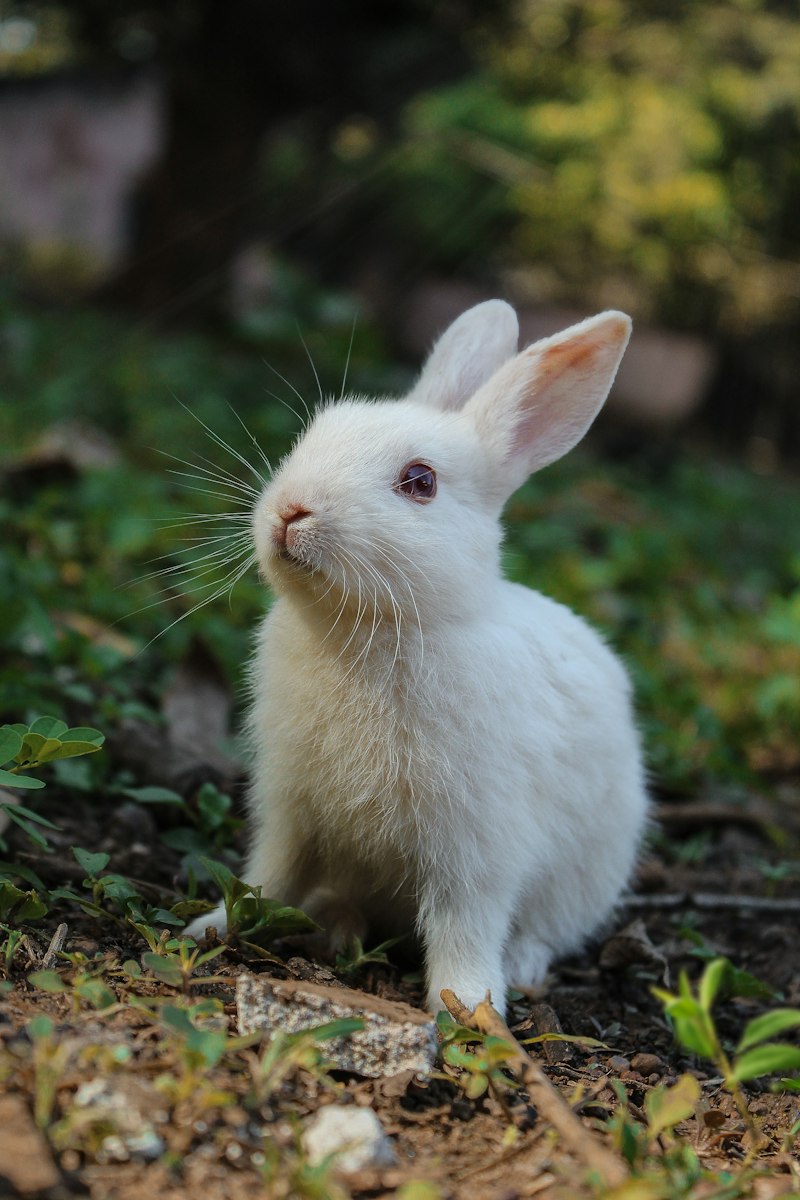
Rabbit
Gentle and docile companions that start shy but become wonderfully affectionate with patience and proper handling.
Difficulty
Lifespan
8–12 years
Diet
Herbivore (pellets, hay, greens, vegetables, fruit)
Space
Minimum 36in x 24in cage for a single rabbit; larger for bigger breeds. Can be house-roaming with litter training.
Overview
Domestic rabbits (Oryctolagus cuniculus domesticus) are a widely diverse group of animals ranging in size, temperament, and care. Most breeds descend from the common European Rabbit. Pet rabbits generally live between 8 and 12 years in captivity. Similar to dogs and cats, rabbits are defined by breeds and breed standards. The general care for most breeds is the same although some have specific needs that others do not. Rabbits are generally docile pets that begin life nervous and shy but with the right care become wonderful companions.
Personality & Qualities
Rabbits are shy and nervous at first and require work to become used to handling. Once accustomed, rabbits generally enjoy being pet and snuggled and often seek attention from caretakers. Few rabbits enjoy being carried — most prefer to be on the ground or safely in a person's lap while being handled or pet. ⚠️ NOTE: Young rabbits require a 1–2 week acclimation period in your home before handling is advisable. Overstimulation and over-handling of a young rabbit before it has acclimated can result in stress, illness, and/or premature death.
Daily Care
Rinse and refill water bottle daily. Offer fresh pellets daily. Ensure hay is always available. Offer fresh greens daily for adult rabbits. Spot-clean the enclosure. Monitor for signs of illness or stress. Handle gently and consistently to build trust.
Diet
Rabbits require fresh water daily. The water bottle should be rinsed thoroughly before being refilled to avoid bacteria buildup. Rabbits should always have access to water. A rabbit's diet primarily consists of: • Dry Food (Pellets) — Fresh pellets offered daily. Amount depends on size and age. • Hay — Offered as much as they want at all times. Rabbits should always have access to hay. • Fresh Greens (Rabbit over 6 months old*, daily) — Kale, collard greens, mustard greens, okra, dandelion greens, etc. • Fresh Fruits & Vegetables (ADULT RABBITS only, 1–2x per week as treats) — Carrots, broccoli, bell peppers, apples, bananas, berries, etc. ⚠️ NOTE: Feeding baby bunnies fresh fruit, vegetables, and/or greens can potentially result in diarrhea.
Housing Requirements
Rabbits are active animals and require decent space to live happily. Minimum cage size is 36in x 24in for a single rabbit — larger breeds will require larger housing. In a safe environment rabbits can also be house-roaming pets with their cage serving as their own territory. Rabbits can be litter box trained, which is generally necessary for house roamers. Enclosure must include: • Paper-based bedding to line the enclosure • Hanging Water Bottle • Food Dish • A large hide box • Chew Toys — for dental health • Other Toys — for enrichment • Hay Feeder (optional) • Litter Box — if planning on litter training
Temperature & Humidity
Rabbits do not require any specific lighting or heating. If you are comfortable with the temperature in your home, your rabbit likely is too. Temperatures of 85°F or higher are dangerous and can lead to heat stroke. Rabbits tolerate cold temperatures well.
Common Mistakes
Cage too small. Not providing unlimited hay. Offering fresh greens or fruit to baby rabbits. Bathing the rabbit. Over-handling during the acclimation period. Skipping nail trims. Not litter-training house-roaming rabbits. Introducing two rabbits too quickly without proper acclimation.
Vet Care Recommendations
NJ Exotic Pets recommends Paws, Wings & Scales — Christopher F. Stancel, DVM. 125 Paterson Ave, Suite 1, Little Falls, NJ 07424. Phone: (973) 638-1180. Email: pwsanimalhospital@gmail.com. Annual check-ups are highly recommended. • Brushing — Long-coated breeds require weekly or bi-weekly brushing to avoid matting. Short-coated breeds benefit from occasional brushing. • Bathing — Do NOT bathe rabbits. Bathing can cause illness. Rabbits, like cats, clean themselves. • Nail Trimming — Every 8 weeks. • Spay/Neuter — Rabbits on average live much longer lives if spayed or neutered.
Things to Know Before Buying
Rabbits live 8–12 years and require daily care, a proper diet with constant hay access, and patient handling to become tame. Young rabbits need a 1–2 week acclimation period before handling. Some breeds have specific grooming needs. Rabbits can also be territorial and occasionally cage-aggressive. Be prepared for a long-term commitment.
Legal & Responsibility Disclaimer
Owners assume full responsibility for the animal's welfare, proper housing, diet, enrichment, and veterinary care. Always verify local regulations regarding rabbit ownership.
Get This Guide in Your Inbox
Enter your email and we'll send you the complete Rabbit care guide.
Ready to take the next step?
Confirm that you've reviewed the care requirements before proceeding.
Bio-Educational Guidance Only — Consult an Avian/Exotic Veterinarian for Medical Intervention.